Get expert advice about liposuction in Sarasota, FL. Our liposuction blog covers everything from costs and material comparisons to maintenance tips, local regulations, and treatment planning guides. Whether you are researching your first treatment or need maintenance advice for an existing one, our articles are written specifically for Sarasota area people. We cover local clinic standards, recovery considerations, seasonal timing, and how to choose the right professional for your liposuction needs. Browse our 56 articles below or call (941) 304-0090 to speak with a matching specialist.
Compare your options: not sure how the treatments differ? Browse all comparison guides — get a free, no-obligation consultation. If you are here looking into fat removal surgery, the sections below walk through the process from the first quote to the finished job.
How Much Does Liposuction Cost in Sarasota?
How Much Does Liposuction Cost in Sarasota? Liposuction is one of the most frequently searched cosmetic procedures in Sarasota — and one of the hardest to price over the phone. Published "starting at" numbers rarely s...
How to Choose a Plastic Surgeon in Sarasota
How to Choose a Plastic Surgeon in Sarasota Sarasota has more plastic surgeons per capita than almost any city in the country — which is exactly why choosing one deserves care. The market is crowded with weekend cours...
Liposuction in Sarasota: Cost, Providers, and What to Expect
If you have stubborn pockets of fat that do not respond to diet and exercise, liposuction is one of the most reliable ways to reshape your body. In Sarasota, this treatment is a popular choice for people who want smooth...
Liposuction vs. Non-Surgical Fat Reduction in Sarasota: Which Is Right for You?
When stubborn fat will not budge, people in Sarasota often weigh two main options: liposuction and non-surgical fat reduction. Both can help you achieve a slimmer silhouette, but they work very differently and suit diff...
Your Liposuction Recovery Timeline: Week by Week
Recovery is one of the most common concerns people have before liposuction, and it helps to know exactly what to expect. While every person heals at their own pace, most people in Sarasota follow a similar week-by-week ...

Liposuction Fee Breakdown: Surgeon, Facility and Anaesthesia
A liposuction quote is not one price — it is a stack of separate fees billed by different parties. Once you know who bills which line, a quote becomes readable...

Liposuction vs Tummy Tuck vs Body Contouring: Who Each One Suits
The three procedures get grouped because they target the same complaint. One published sentence separates them: liposuction cannot improve lax skin tone, and a tummy tuck exists to remove skin...

How Much Fat Can Be Removed in One Liposuction Session?
The vocabulary matters more than the number. A case recorded as "5 litres" is almost never five litres of fat — aspirate is fat plus the tumescent fluid it was removed with...

Compression Garments and Lymphatic Massage After Liposuction
Two aftercare items dominate the first six weeks: the compression garment and lymphatic massage. Published guidance treats them very differently...

Liposuction Risks and Complication Rates as Published
Liposuction risk is documented to an unusual degree for a cosmetic procedure — four large published datasets, including a mortality survey. Each answers a slightly different question...

Verifying Surgeon Credentials and Facility Accreditation
Credential verification is a five-minute exercise that most patients skip, and every claim involved has an authoritative source...
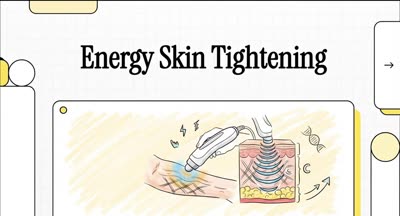
Thermal Skin Tightening After Liposuction: The Biology and the Physics
Collagen needs 60-80C to contract while the skin surface burns above roughly 45C. The published thresholds, the three energy families, and who should choose excision instead.
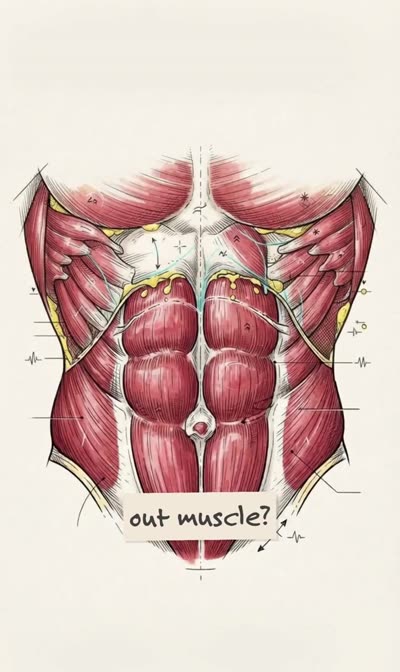
High-Definition Liposuction and Abdominal Etching: How Definition Is Built
Definition is deep debulking plus controlled superficial thinning. Published series of 743, 615 and 62 patients show why more etching produced lower durable satisfaction.
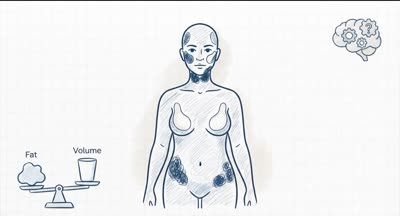
Body Contouring After GLP-1 Weight Loss: What Changes and What Doesn't
A 15-21% medication-driven weight loss is not selective. What the trial data and post-weight-loss surgical cohorts show about laxity, procedure mix and sequencing.
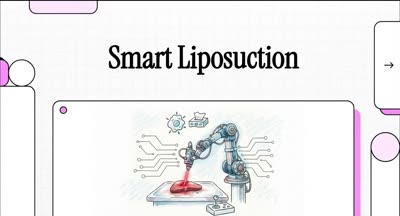
AI, Robotics and Data-Driven Liposuction: What the Evidence Supports
Planning and monitoring data are established; robotic liposuction has no controlled trials. Registry figures on complication risk, VTE prophylaxis and the questions to ask.

Cell-Assisted Lipotransfer and Fat Survival: What the Data Shows
Reported retention spans 30-80%. What the 15-study enrichment meta-analysis found, why heterogeneity was 97%, and which handling variables actually decide survival.
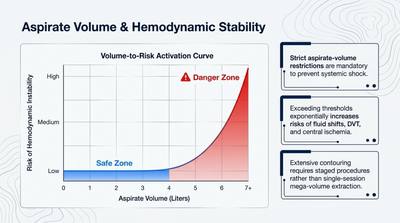
Aspirate Volume and Hemodynamic Stability: Reading the Risk Curve
The deck's volume-to-risk activation curve: why aspirate limits exist, where published thresholds sit, and what hemodynamic monitoring tracks.
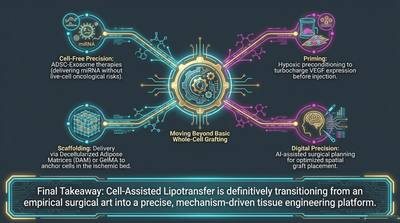
Beyond Whole-Cell Grafting: Four Directions in Fat Transfer
The closing slide: cell-free exosome therapy, hypoxic priming, scaffold delivery via decellularised matrices or GelMA, and AI-assisted graft planning.
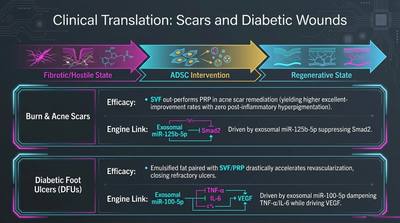
CAL in Scars and Diabetic Wounds: What the Slide Claims
The deck's slide on scars and diabetic foot ulcers: SVF versus PRP in acne scarring, and the exosomal miRNA signalling behind each reported effect.
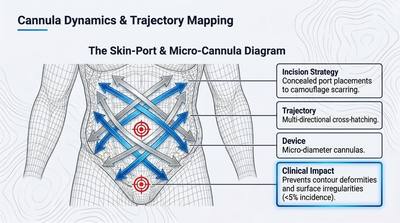
Cannula Dynamics and Trajectory Mapping in Liposuction
Port placement, cross-hatching passes and micro-diameter cannulas: how cannula dynamics shape liposuction contours, against a deck benchmark under 5%.
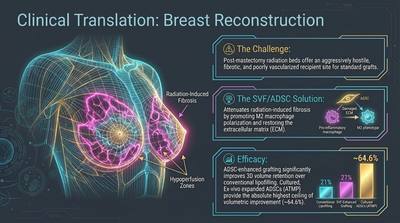
Clinical Translation: Fat Grafting in Breast Reconstruction After Radiation
Fat grafting in breast reconstruction: what the source material reports on radiation-induced fibrosis and 3D volume retention of 21%, 27% and about 64.6%.
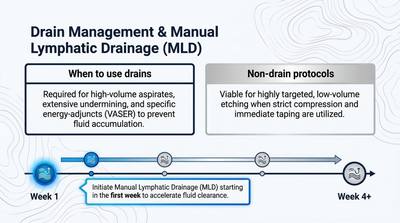
Drains and Manual Lymphatic Drainage After Liposuction
When liposuction drains are used, when a non-drain protocol is viable, and why manual lymphatic drainage is started in the first week.
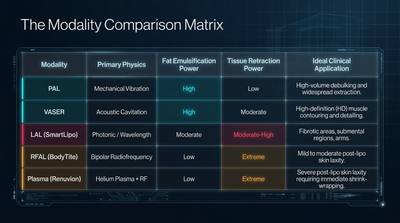
Energy Modality Comparison: Emulsification Power vs Retraction Power
PAL, VASER, LAL, RFAL and plasma read row by row from the deck's matrix: which modalities remove fat, which tighten skin, and how the two get layered.
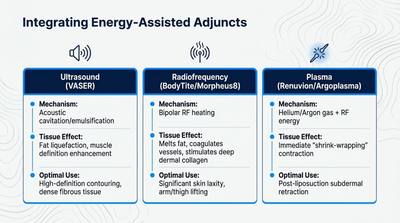
Energy-Assisted Liposuction: Ultrasound, Radiofrequency and Plasma
The three energy families in high-definition liposuction — VASER ultrasound, BodyTite/Morpheus8 radiofrequency and Renuvion plasma — by mechanism and use.
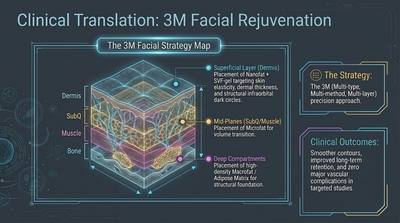
Fat Grafting in Three Layers: The 3M Facial Strategy Map
The 3M facial strategy map: nanofat and SVF-gel in the dermis, microfat in the mid-planes, macroat in deep compartments — how the layered plan works.
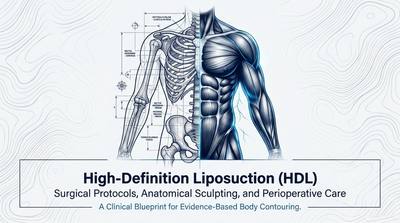
High-Definition Liposuction (HDL): The Clinical Blueprint Explained
What the HDL blueprint claims: surgical protocols, anatomical sculpting and perioperative care, plus the published numbers behind it.
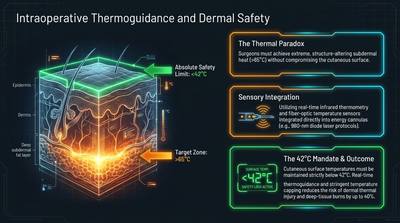
Intraoperative Thermoguidance and the 42 °C Surface Mandate
The deck's thermal paradox: a subdermal target above 65 °C, a surface limit below 42 °C, the sensors that track both, and the stated risk reduction.
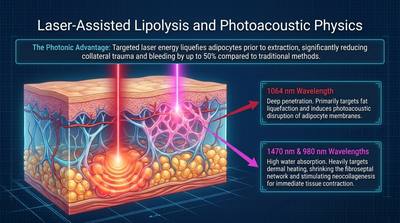
Laser-Assisted Lipolysis: Photoacoustic Physics and Wavelength Choice
Wavelength decides the target in laser-assisted lipolysis: 1064 nm for deep fat liquefaction, 1470 nm and 980 nm for dermal heating and septal shrinkage.
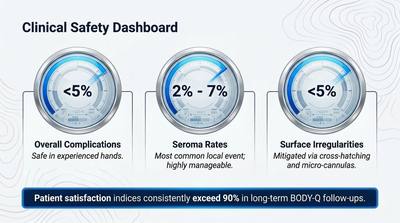
Liposuction Safety Benchmarks and Patient Satisfaction
The deck's clinical safety dashboard — overall complications, seroma rates, surface irregularities and BODY-Q satisfaction — read against published data.
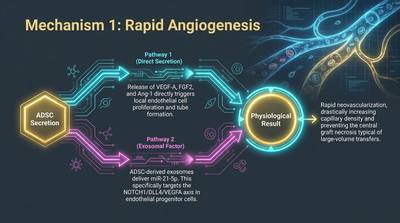
Mechanism 1: Rapid Angiogenesis and How a Fat Graft Finds Blood
Rapid angiogenesis in fat grafting: how VEGF-A, FGF2, Ang-1 and exosomal miR-21-5p are described as rebuilding a graft's blood supply.
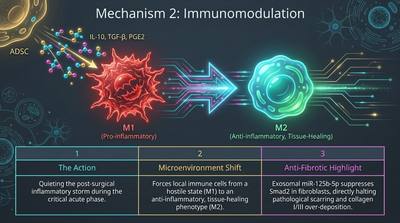
Mechanism 2: Immunomodulation and the M1-to-M2 Macrophage Switch
Immunomodulation in fat grafting: how the M1-to-M2 macrophage shift, IL-10, TGF-beta and exosomal miR-125b-5p are described in the source material.
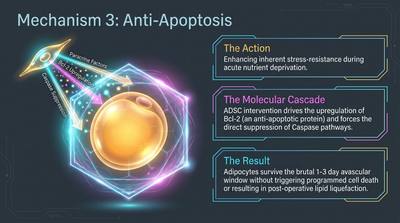
Mechanism 3: Anti-Apoptosis and the 1-3 Day Avascular Window
Anti-apoptosis in fat grafting: how Bcl-2 upregulation and caspase suppression are described as helping adipocytes survive the 1-3 day avascular window.
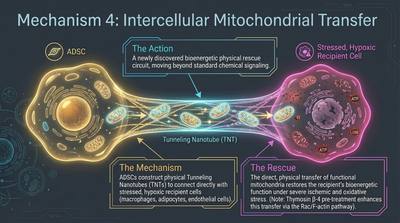
Mechanism 4: Intercellular Mitochondrial Transfer Through Tunnelling Nanotubes
Intercellular mitochondrial transfer: how tunnelling nanotubes and the Rac/F-actin pathway are described as rescuing stressed cells in a fat graft.
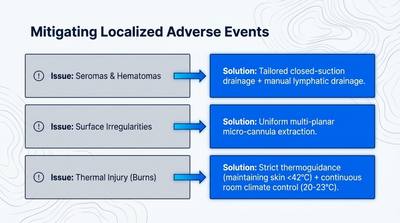
Mitigating Localized Adverse Events in Liposuction
Seromas, surface irregularities and thermal burns are the local events high-definition liposuction addresses, and the numbers behind each mitigation.
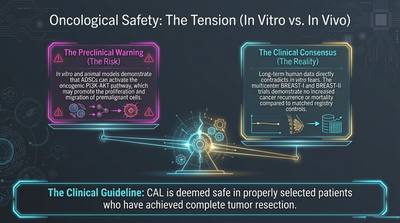
Oncological Safety of CAL: In Vitro Fears vs Long-Term Data
In vitro and animal models against the clinical evidence: what the deck says about ADSCs, the PI3K-AKT pathway and the BREAST-I and BREAST-II findings.
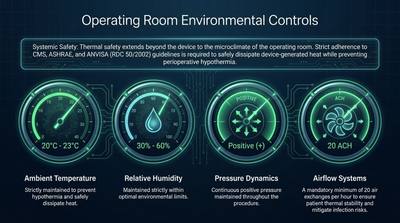
Operating Room Environmental Controls: Temperature, Humidity and Airflow
Ambient 20–23 °C, humidity 30–60%, positive pressure and 20 air changes per hour: the deck's operating-room parameters and why they are set there.
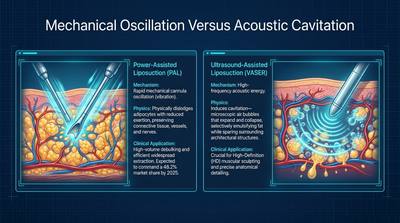
PAL vs Ultrasound-Assisted Liposuction: Vibration vs Cavitation
Power-assisted liposuction uses rapid cannula vibration; VASER-style ultrasound-assisted liposuction uses acoustic cavitation. How the two differ.
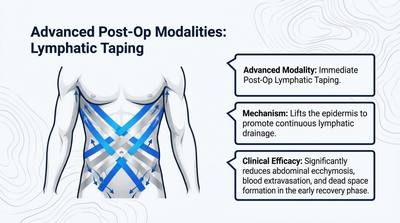
Post-Op Lymphatic Taping After Liposuction: What It Does
Immediate post-op lymphatic taping lifts the epidermis to support continuous lymphatic drainage. What the modality claims and where it fits in recovery.
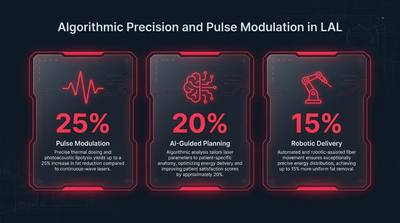
Pulse Modulation and Algorithmic Precision in Laser-Assisted Lipolysis
Pulse modulation, AI-guided planning and robotic fibre delivery: the three delivery controls the deck pairs with stated gains in reduction and uniformity.
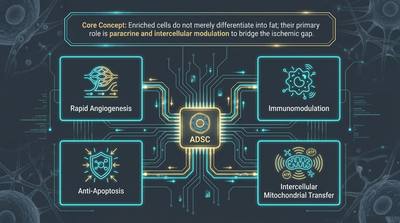
Rapid Angiogenesis: The First Mechanism That Rescues a Graft
Angiogenesis comes first among the graft's four rescue mechanisms: perfusion must return before anything else in the transferred tissue can matter.
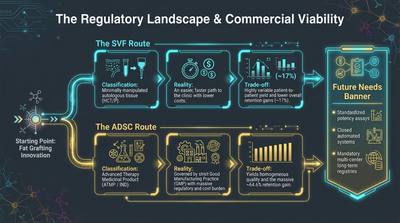
SVF vs ADSC: Regulation, Cost and the Retention Gap
The SVF route as a minimally manipulated HCT/P versus the ADSC route as an ATMP/IND under GMP — and the deck's ~17% vs ~64.6% retention figures.
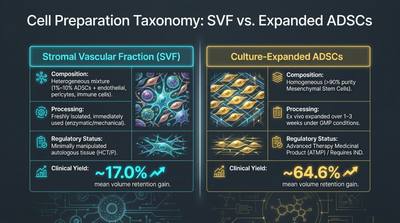
SVF vs Culture-Expanded ADSCs: The Two Cell Routes Compared
Uncultured SVF versus culture-expanded ADSCs: composition, processing, regulatory status, and the briefing's 17.0% and 64.6% mean volume retention gains.
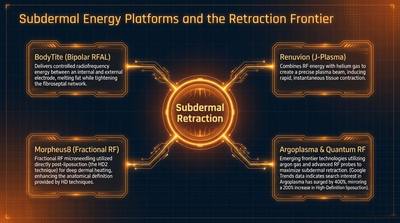
Subdermal Energy Platforms: BodyTite, Renuvion, Morpheus8 and Quantum RF
BodyTite bipolar RFAL, Renuvion J-Plasma, Morpheus8 fractional RF and the Argoplasma and Quantum RF frontier, compared by delivery geometry and effect.
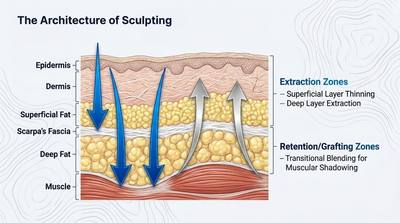
The Architecture of Sculpting: Extraction vs Retention Zones
The layer anatomy behind high-definition liposuction: which fat is extracted, which is kept to cast muscle shadow, and where the fascial boundary sits.
The CAL Thesis: What Cell-Assisted Lipotransfer Actually Claims
The four claims behind cell-assisted lipotransfer: resorption, the cell-assisted paradigm, SVF versus expanded ADSCs, and the mechanisms involved.
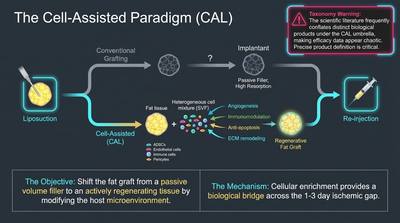
The Cell-Assisted Paradigm: A Graft That Carries Its Own Cells
Two routes from one harvest: conventional grafting as a passive filler, and a graft given the patient's own cells to bridge a one-to-three day gap.
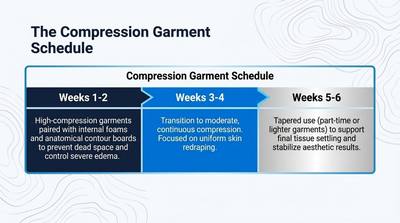
The Compression Garment Schedule After Liposuction
Weeks 1-2 high compression with foams and contour boards, weeks 3-4 moderate, weeks 5-6 tapered: the deck's three-phase garment schedule explained.
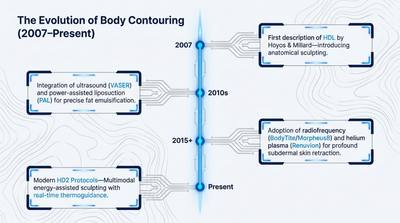
The Evolution of Body Contouring: 2007 to the Present
From the first HDL description in 2007 to multimodal energy-assisted sculpting today: four eras of body contouring and the problem each one solved.
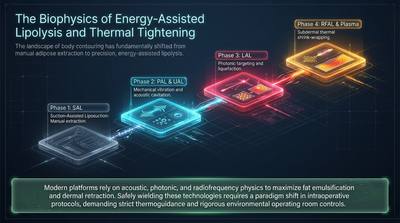
The Four Phases of Energy-Assisted Lipolysis: SAL, PAL/UAL, LAL and RFAL
From manual extraction to energy assistance: SAL, PAL and UAL vibration and cavitation, LAL photonic liquefaction, and RFAL subdermal tightening.
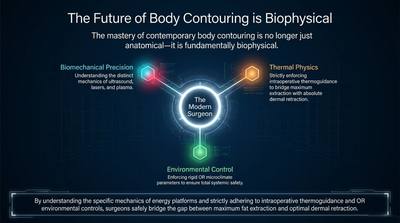
The Future of Body Contouring Is Biophysical: Three Disciplines
The deck's closing argument: biomechanical precision, thermal physics and OR environmental control as one protocol, and the figures that tie them together.
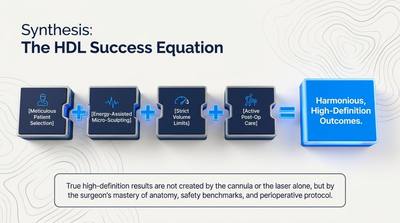
The High-Definition Liposuction Success Equation
Patient selection, energy-assisted micro-sculpting, strict volume limits and active post-op care: the four-term equation the deck closes on.
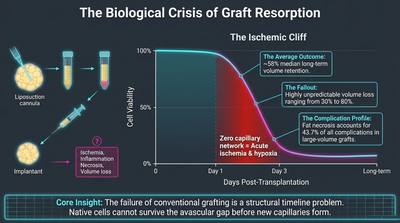
The Ischemic Cliff: Why a Fat Graft Loses Volume Fast
A graft lands with no capillary network. The briefing's ischemic cliff plots graft viability from day one to day three, and the volume losses it explains.
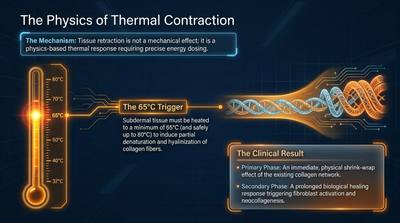
The Physics of Thermal Contraction: What 65 °C Does to Collagen
Why retraction is a thermal effect rather than a mechanical one: the 65 °C collagen trigger, the 65–80 °C working band and the two clinical phases.
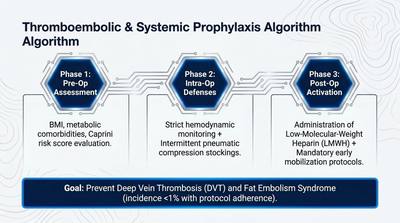
Thromboembolic Prophylaxis and DVT Risk in Liposuction
A three-phase prophylaxis algorithm for liposuction: pre-op Caprini scoring, intra-op pneumatic compression, post-op LMWH and early mobilisation.
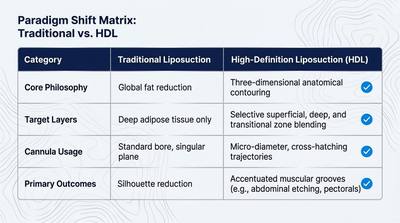
Traditional vs High-Definition Liposuction: The Paradigm Matrix
A four-row matrix comparing traditional and high-definition liposuction: core philosophy, target layers, cannula usage and primary outcomes.
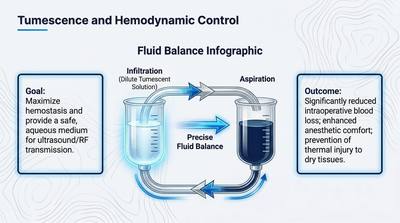
Tumescence and Hemodynamic Control in High-Definition Liposuction
Why the operation starts with fluid, not suction: infiltration to aspiration, what the dilute solution does, and how fluid balance is controlled.
Have a question not covered here? Call (941) 304-0090 to speak with a liposuction matching specialist — free, no obligation.